Belize Green Travel Field Guide: Build the Route First
Editorial note: Canopy Trips has no paid placement in this guide. Booking.com approval is pending, and this page contains no Booking.com affiliate links.
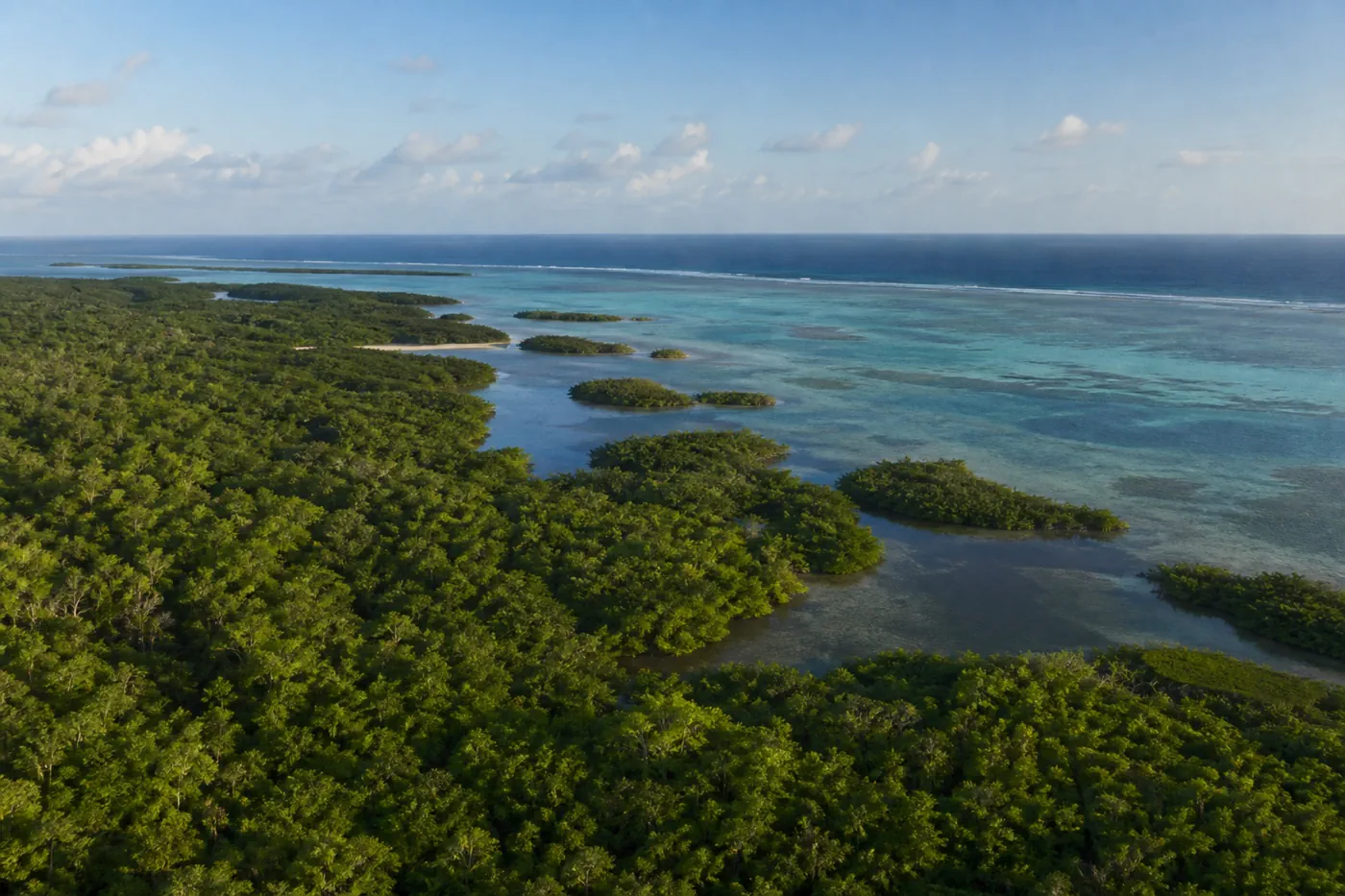
Start with one inland base and one reef base. Belize can hold cave systems, Maya sites, lowland forest, Garifuna communities, mangroves, and barrier-reef days in one trip. It does not follow that every region belongs in the same itinerary. Hotel changes, boat departures, airport transfers, weather, and reserve rules decide how much of the country fits.
How this page was built: This field guide uses Belize Tourism Board destination and licensing records, Belize Fisheries reserve information, UNESCO documentation for the reef system, and current US travel guidance. Property and marketplace claims remain leads until the legal operator, exact site, and dated terms are confirmed. Current prices, schedules, inventory, wildlife conditions, certifications, and access rules are not treated as permanent facts.
The short answer
For a first trip, pair San Ignacio with either Caye Caulker or Ambergris Caye. Add Hopkins only when the trip has enough nights for a distinct southern-coast stay rather than a rushed stop. Book the difficult-to-replace experience first, then make flights, ground transport, rooms, and recovery time support it.
Build the country from trip jobs
| Trip job | Useful base | Evidence to settle first |
|---|---|---|
| Caves and Maya sites | San Ignacio or another Cayo base | Named site, licensed operator, guide rule, ticket and access |
| Northern reef days | Caye Caulker or Ambergris Caye | Departure dock, reserve, fee, group, wildlife practice |
| Southern reef and coast | Hopkins or Placencia | Exact marine reserve, boat route, weather and return |
| Forest walking | Cayo or Stann Creek route | Protected area, trail, guide, road and closure status |
| Arrival and departure | BZE connection plan | Flight, pickup, road or boat handoff, night-driving cutoff |
The reef is a protected-area system, not one excursion
UNESCO lists seven protected areas within the Belize Barrier Reef Reserve System. A tour title that says barrier reef still needs a named reserve, departure point, legal operator, admission status, group arrangement, and wildlife policy. Compare the actual day on the water, not a collage of animals that might occur across the country.
Guide and operator identity are part of the product
Belize Tourism Board maintains licensing systems for tour guides and tour operators. Ask for the current business name and the guide assigned to a regulated cave or reserve. Marketplace availability does not replace a licensing check, and a license does not prove every environmental claim in a listing.
Lower-impact choices should remove trip friction
A well-located room can remove repeated taxi journeys. A refillable bottle is useful only where safe refill water is available. A small-group reef trip still needs lawful access and responsible wildlife conduct. Treat each choice as a route or evidence decision, not a label that makes the whole vacation sustainable.
Keep a real safety and weather margin
Current US guidance warns against intercity driving after dark and identifies elevated risk in Southside Belize City. Marine weather, river level, and road conditions can also disrupt a fixed plan. Keep the final international-flight connection separate from a remote boat or road leg whenever the itinerary allows.
Country-level planning check
- Name one primary inland experience and one primary reef or coast experience.
- Limit the route to bases that earn at least two usable days.
- Confirm the legal guide, operator, protected area, and entry process.
- Map every airport, road, dock, boat, luggage, and hotel handoff.
- Record what is independently verified and what remains operator-reported.
- Protect the departure flight with enough recovery time for a disrupted transfer.
When to shorten the country plan
Remove the third base when it creates consecutive transfer days, a late intercity road trip, or a same-day remote connection to BZE. Leave a headline activity out when the operator cannot name the guide, reserve, admission, meeting point, wildlife rules, or weather terms. A two-base trip with usable mornings is stronger than a four-base route held together by perfect conditions.
Claim ledger and primary sources
Each source below supports a named planning fact, not a general sustainability endorsement. Marketplace inventory is commercial information and does not verify an operator’s wildlife, labor, or environmental claims.
- Travel Belize district guide Used for official regional and base context; recheck quarterly.
- Belize Tourism Board licensing Used for guide and operator licensing framework; recheck before publication and quarterly.
- UNESCO Belize Barrier Reef Reserve System Used for protected-area system and conservation context; recheck annually.
- Belize Fisheries marine-reserve unit Used for current reserve-management starting point; recheck before publication and quarterly.
- US travel guidance for Belize Used for entry, safety, road and medical context; recheck before publication and monthly.
Continue with seven-day Belize route, ten-day Belize route, Caye Caulker versus Ambergris Caye.