Norway Travel Field Guide: Rail, Ferries, and Fjords
Editorial note: Canopy Trips has no paid placement in this guide. Booking.com approval is pending, and this page contains no Booking.com affiliate links.
Norway’s long map punishes a trip that collects distant highlights. Choose one transport corridor and one landscape region. Public transport can cover major links, but a trailhead, cabin, or fjord stay may still require a bus, ferry, taxi, or car segment.
Field-guide method: Use Entur or current operator schedules for every connection, then check municipal and land-manager rules for the exact outdoor area. Treat a national environmental reputation as context, not property-level proof.
Build the route
| Base or segment | Use it for | Constraint | Verify before payment |
|---|---|---|---|
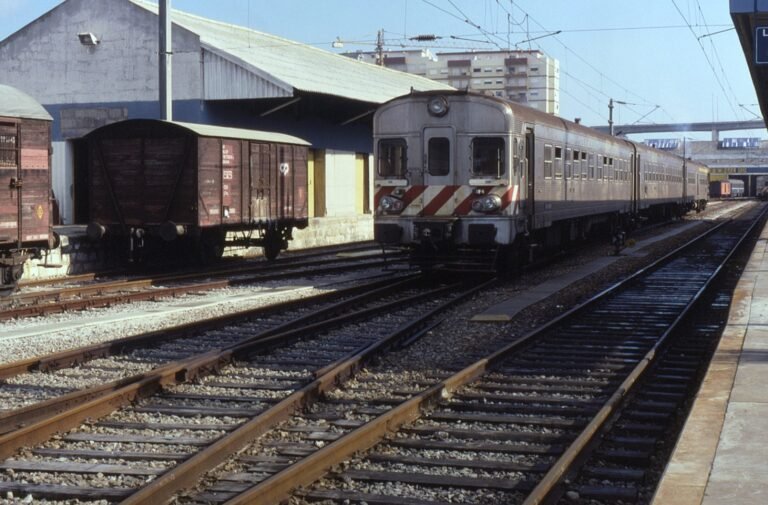
| Oslo to Bergen rail corridor | Rail journey and one mountain or fjord branch | Weather and branch transport | All operating timetables |
| Bergen and nearby fjords | City plus ferry or guided fjord access | Popular departures and seasonal service | Port, vessel, and return plan |
| Trondheim region | Rail-led city and coast alternative | Long distance from western fjords | Night-train or flight trade-off |
| Northern Norway | Arctic coast, islands, winter or summer light | Large distances and weather exposure | Ferry, bus, road, and daylight plan |
Transport before accommodation
Map the full last mile before choosing a scenic stay. A low room rate outside the transit network can create repeated taxi or rental-car trips. Reserve limited ferries and long-distance rail only after the route works in both directions.
Outdoor access has responsibilities
Norway’s right to roam does not remove duties around cultivated land, homes, fire, camping distance, wildlife, and local restrictions. Read current official guidance and any area-specific closure before treating open land as a campsite.
Stay evidence
A hotel environmental label should name the program, current property, and validity. Record what the certification covers, then check transport, meals, laundry, and season-specific operations for the actual stay.
When Norway is the wrong choice
Choose a more compact destination if the itinerary needs several domestic flights to reach one short experience, if winter driving is outside the traveler’s skill, or if the budget cannot absorb remote transfers and weather buffers.
Before you book
- Choose one geographic corridor.
- Check every ferry and rural bus close to travel.
- Read the official outdoor access guidance.
- Verify the exact hotel certification rather than the destination label.
- Keep a weather-safe alternative for exposed travel days.
Official sources
- Visit Norway trip-planning portal
- Visit Norway getting-around guidance
- Norwegian Environment Agency right-to-roam guidance
Continue planning
Compare the general method in choosing a destination without a ranking and screen stays with the hotel claim checklist.