Eco-Friendly Destinations? Choose the Trip, Not a Ranking
Editorial note: Canopy Trips has no paid placement in this guide. Booking.com approval is pending, and this page contains no Booking.com affiliate links.
There is no defensible single list of the world’s greenest destinations. A country can lead on electricity or protected land while a specific trip still depends on repeated flights, long transfers, crowded sites, or an unverified hotel claim. Choose from the actual itinerary.
How to use this guide: Compare only destinations that meet the same trip need. Record the journey to reach them, the number of bases, official visitor rules, ground transport, accommodation evidence, and the season-specific pressure on the places you plan to enter.
A five-part destination screen
| Question | Useful evidence | Weak signal | Decision |
|---|---|---|---|
| Can the route stay compact? | Two or three connected bases | A long country-level attraction list | Prefer fewer transfers |
| Who manages visitor pressure? | Official reservations, caps, closures, or permits | A destination marketing slogan | Follow the protected-area system |
| Can you move without a car? | Current rail, bus, ferry, or transfer schedules | A generic walkability score | Map the real segments |
| Can stay claims be checked? | Named certification and current property record | An eco label with no standard | Verify the exact property |
| Does the trip fit the season? | Weather, wildlife, trail, fire, and crowd guidance | A fixed best-time promise | Keep a weather alternative |
Shortlist by trip shape
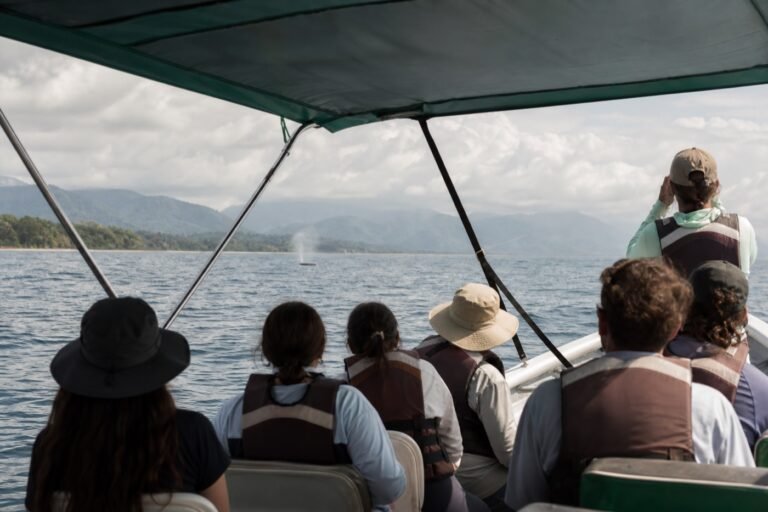
Compact nature trip: Costa Rica works when the route is limited to two or three regions and national-park access is confirmed before accommodation. It becomes inefficient when every famous region is added to one week.
Rail-led culture and landscape: Japan, Norway, Scotland, and Portugal can support rail-based routes, but the rural last mile still needs a bus, ferry, transfer, or car decision.
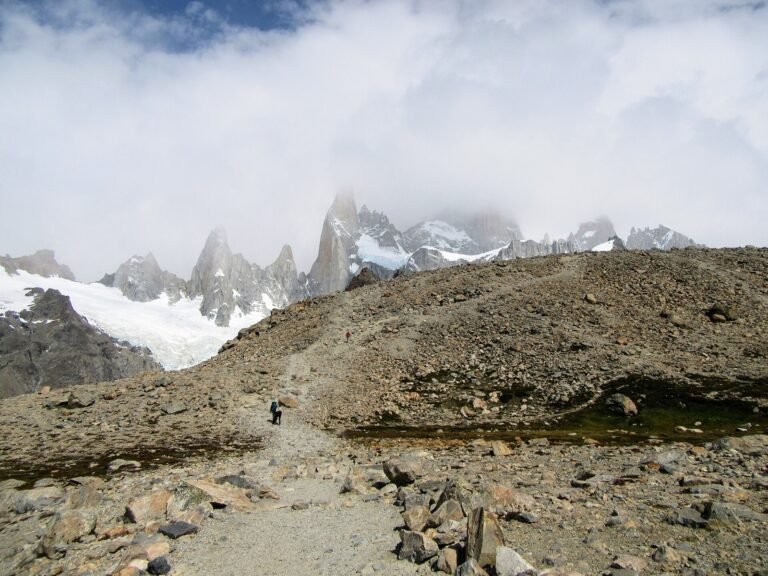
Protected-area trip: Galápagos, Patagonia, Kenya, Tanzania, Colombia, Iceland, and New Zealand require official park information to lead the plan. Fees, guide rules, entry systems, weather, and closures can matter more than a country’s environmental reputation.
Community and cultural trip: Bali, Morocco, and Thailand reward a slower base plan that treats water, traffic, ceremonies, dress, wildlife contact, and locally issued rules as practical constraints rather than decoration.
Reject the halo effect
- Do not treat renewable electricity as proof that every tourism business is responsible.
- Do not treat a national sustainability strategy as a property-level certification.
- Do not equate remoteness with low impact; remote access can add transfers and fragile infrastructure.
- Do not add a flight just to visit a place with a greener reputation.
- Do not call a destination ethical without showing what the traveler can verify and control.
Make the first choice
Pick the trip job first: wildlife, coast, hiking, food, rail travel, or rest. Then compare two plausible routes with the table above. A destination earns the shortlist by fitting the traveler and the route, not by winning an abstract sustainability contest.
Primary and standards sources
- GSTC Destination Standard
- FTC summary of environmental marketing guidance
- Costa Rica protected-area reservation system
Continue the decision
Start with the Costa Rica planning desk or compare the route-level choices in the seven-day itinerary.