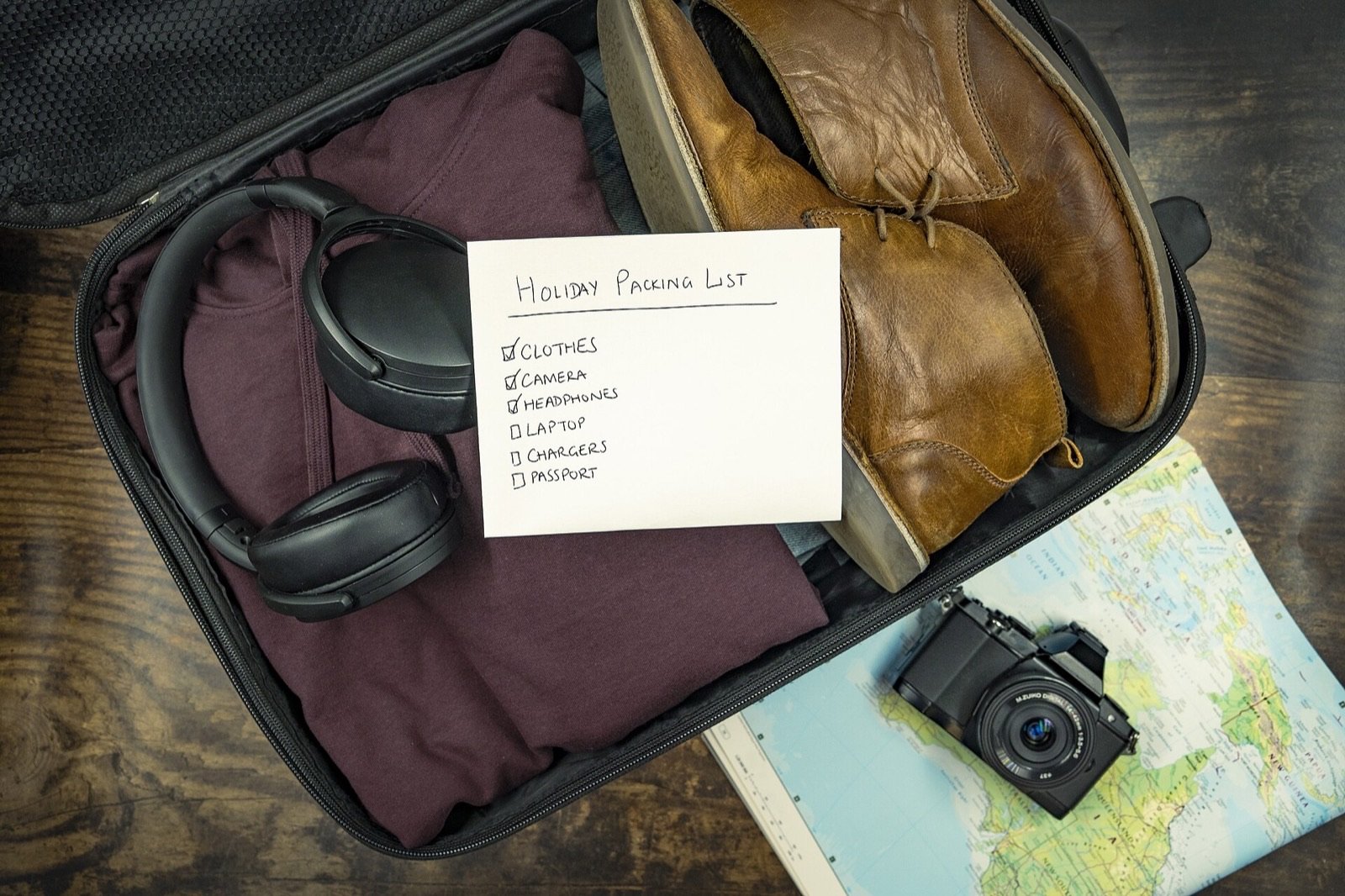
Sustainable Travel Packing List: Buy Less, Pack for the Route
Affiliate disclosure: This guide contains marked affiliate links, currently to Amazon. Canopy Trips may earn a commission from qualifying purchases at no added cost to you. As an Amazon Associate I earn from qualifying purchases. Recommendations are based on published specifications and source documents, not hands-on testing.
Pack from the itinerary, not from a universal checklist. A rainy-season bus trip, an island boat transfer, and a winter city break create different gear gaps. The shortest list begins with the route and the items already owned.
Method: write down weather, laundry access, baggage rules, drinking-water plan, walking distance, electricity access, and destination restrictions. Add an item only when it solves one of those conditions.
1. Documents and route facts
- Passport, visas, and required confirmations
- Offline copies of reservations and emergency contacts
- Travel insurance details when purchased
- Operating airline baggage limits for every segment
- National park tickets, permits, and guide requirements
2. Bags
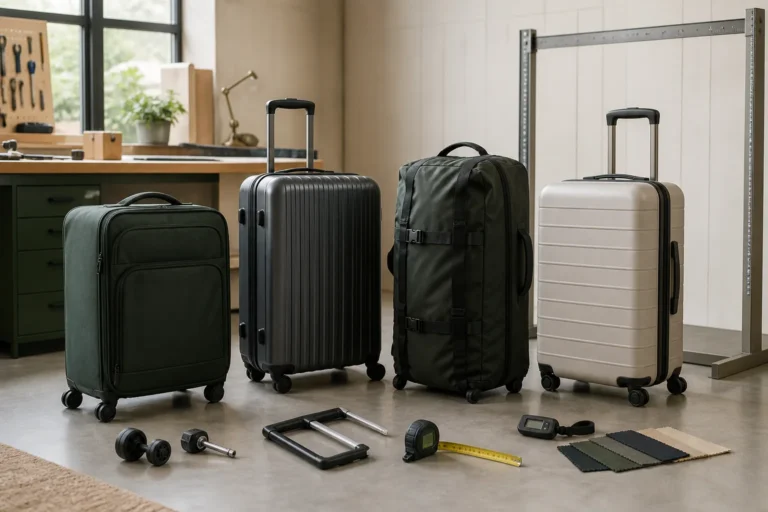
Use the smallest bag that fits the trip without stressing seams or forcing checked baggage. A larger bag tends to invite extra items. Compare exact dimensions and repair support in the travel backpack guide and luggage claims comparison.
3. Clothing
- A compact outfit system that layers rather than duplicates
- One weather layer matched to the forecast
- Shoes already broken in for the longest walking day
- A sink-wash plan or confirmed laundry stop
- A separate wet-item bag when the route includes rain or swimming
Avoid buying a travel-specific wardrobe unless the existing clothing fails a concrete need. Repair loose buttons, seams, and zipper pulls before departure.
4. Water and food
Confirm whether tap water is potable and what treatment is required for hikes. An ordinary reusable bottle is enough on many routes. Compare the broad bottle options in the travel water bottle guide, then use LifeStraw versus GRAYL when the decision is specifically filter versus purifier.
- Reusable bottle matched to the refill plan
- Small food container or reusable bag for transit meals
- Utensils only when the itinerary actually lacks them
- Required wildlife-resistant storage for camping
5. Toiletries and health
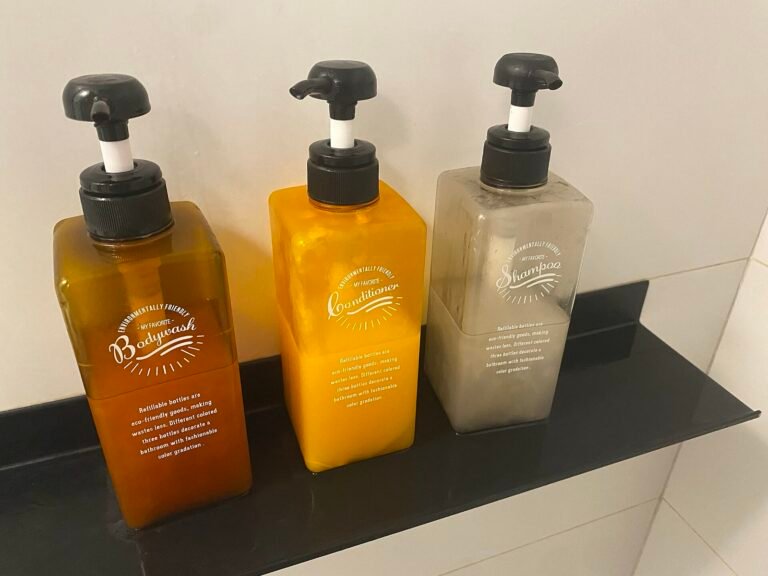
Bring adequate medication and effective sun protection. Waste reduction is not a reason to underpack health essentials. Decant only products that remain identifiable and safe.
- Prescription medication in the required packaging
- Toothbrush and dental product
- Concentrated soap or hair care if it works for you
- Broad-spectrum sunscreen and protective clothing
- Insect repellent appropriate to the destination
- Small first-aid kit matched to the activity
See the travel toiletry claims guide and sunscreen label guide.
6. Electronics and power
- Phone and the cables the trip actually uses
- One multi-port charger instead of several bricks when compatible
- Plug adapter for the destination
- Downloaded maps, tickets, and translation data
- Power bank only when the travel day exceeds phone endurance
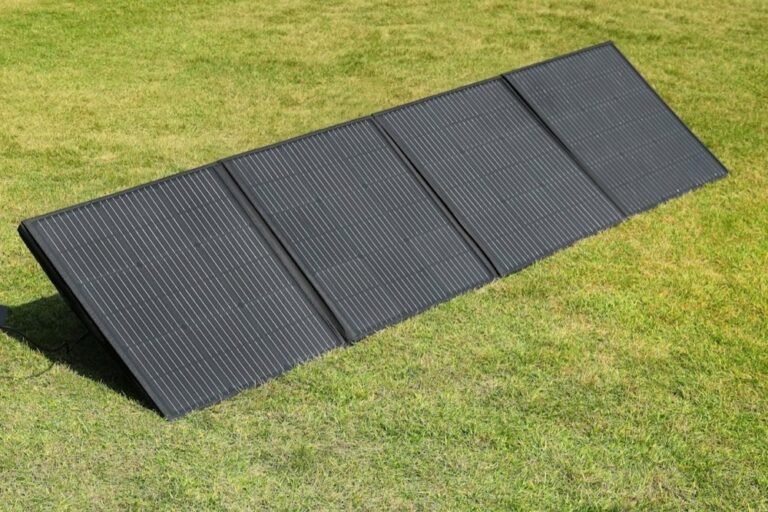
A solar panel is rarely needed for a hotel-based trip. Use the solar panel versus power bank guide for carried off-grid routes, the solar charger comparison for documented panels, and the airline-safe power bank comparison for flight rules. The laptop solar system guide checks the full connector and power path; the camping power station guide is limited to vehicle-access trips.
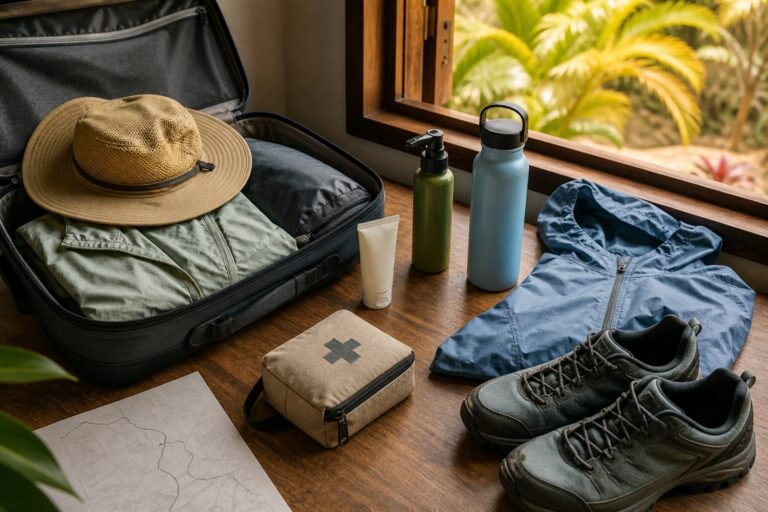
7. Costa Rica rainy-season module
- Fast-drying clothing already tested for comfort
- Rain shell or umbrella based on activity
- Dry bag or reliable waterproof liner for boat transfers
- Footwear that can dry between days
- Backup copies of park and transfer details
Connect this module to the Costa Rica planning desk.
The final subtraction pass
- Remove every “just in case” item that can be borrowed or purchased easily at the destination.
- Eliminate duplicate clothing roles.
- Test the packed bag on a realistic walk.
- Weigh and measure the packed bag, not the empty product.
- Leave enough space to avoid buying a second bag on the return trip.
Commercial rule: This page routes to detailed comparisons before any affiliate destination. The packing list is not a product catalog.