Sustainable Travel Gear Brands: Verify the Product
Editorial note: Canopy Trips has no paid placement in this guide. Booking.com approval is pending, and this page contains no Booking.com affiliate links.
A responsible brand can still sell the wrong product for your trip, and a broad brand claim can hide weak product documentation. Start with fit and durability. Then verify the exact material, component, standard, repair option, and warranty for the model and year you are considering.
How to use this guide: Keep the unit of evidence at product level. A company impact report can provide context, but it should not replace current specifications for the bag, bottle, charger, or toiletry in the cart.
Product claim worksheet
| Claim | Record | Useful proof | Common overreach |
|---|---|---|---|
| Recycled | Exact component and percentage | Product specification or named chain-of-custody standard | Calling the entire product recycled |
| Safer chemistry | Named scope and version | Current bluesign or comparable documentation | Treating one approved fabric as product-wide proof |
| Durable | Construction, repair, parts, warranty | Published service process and exclusions | A lifetime slogan with no repair path |
| Carbon neutral | Boundary, inventory, reductions, credits | Current methodology and report | Using a credit claim as product quality |
| Plastic free | Product, package, or shipment scope | Material breakdown | Ignoring coatings, labels, or accessories |
What to compare before the brand
- Does the product solve a real route or packing problem?
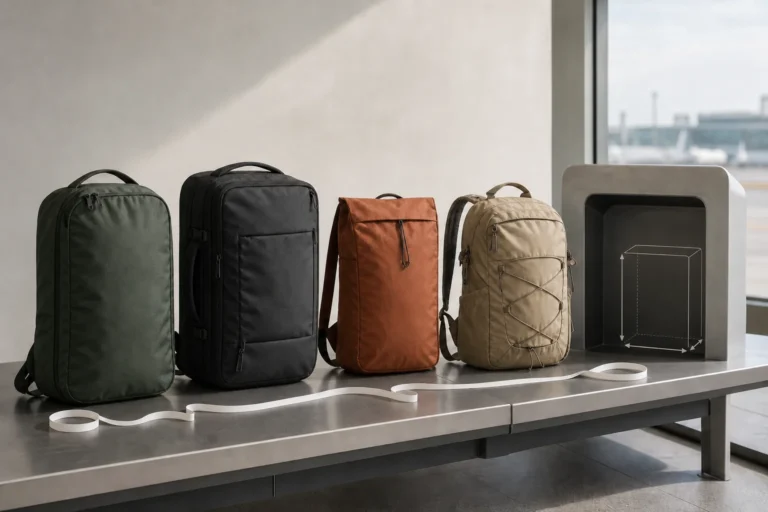
- Will dimensions and empty weight fit the strictest transport segment?
- Can a high-wear part be replaced or repaired?
- Is the environmental claim tied to this exact model?
- Will the item stay useful beyond one specialized trip?
Useful documentation signals
Named material percentages are more useful than “made with recycled materials.” A current standard scope is more useful than a standards logo. A repair address, price, and parts process are more useful than a general promise about longevity.
Where brand context still helps
Company-wide reports can reveal whether a product claim belongs to a larger program and whether progress is measured consistently. Use them to understand direction and risk, not to fill missing product facts. If a model page omits the material or repair detail required for the decision, mark it unconfirmed.
The replacement test
Do not replace functional gear only to obtain a better material story. Replacement becomes easier to justify when the current item is unsafe, unrepairable, incompatible with the route, or regularly causes another wasteful workaround.
Primary and standards sources
Continue the decision
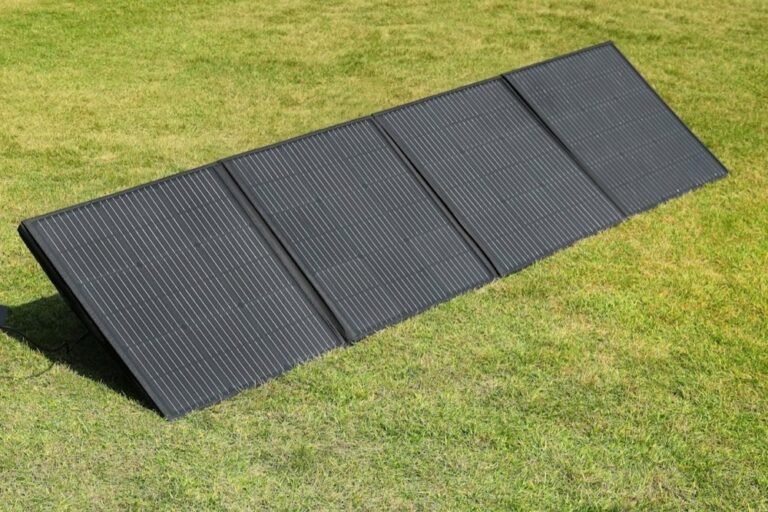
See how the method is applied in the backpack comparison, luggage comparison, and solar charger guide.