Iceland Sustainable Travel Guide: Geothermal Power, Glaciers, and Responsible Ring Road Tips
Iceland runs on the Earth itself. Nearly 100% of its electricity comes from geothermal and hydroelectric sources. Hot water is piped directly from underground to heat homes, fill swimming pools, and power greenhouses that grow tomatoes in the Arctic. For sustainable travelers, Iceland is both inspiring and instructive — a country that proves modern life can run on renewables.
The Ring Road: Iceland’s Classic Route
Route 1 circles the entire island in roughly 1,322 kilometers. Most visitors rent a car and spend 7-14 days completing the loop. Here’s how to do it sustainably:
Rent an EV
Iceland’s EV charging network now covers the entire Ring Road. Companies like Blue Car Rental and Lava Car Rental offer Tesla Model 3s and other EVs. Since Iceland’s grid is 100% renewable, driving electric here means genuinely zero-emission road tripping. Charging stations are spaced 50-100km apart — plan stops around them and enjoy the scenery while you charge.
Key Stops
Golden Circle (South): Þingvellir National Park (tectonic plate boundary you can walk between), Geysir geothermal area, and Gullfoss waterfall. Heavily touristed but still magnificent — go early morning or late evening to avoid crowds.
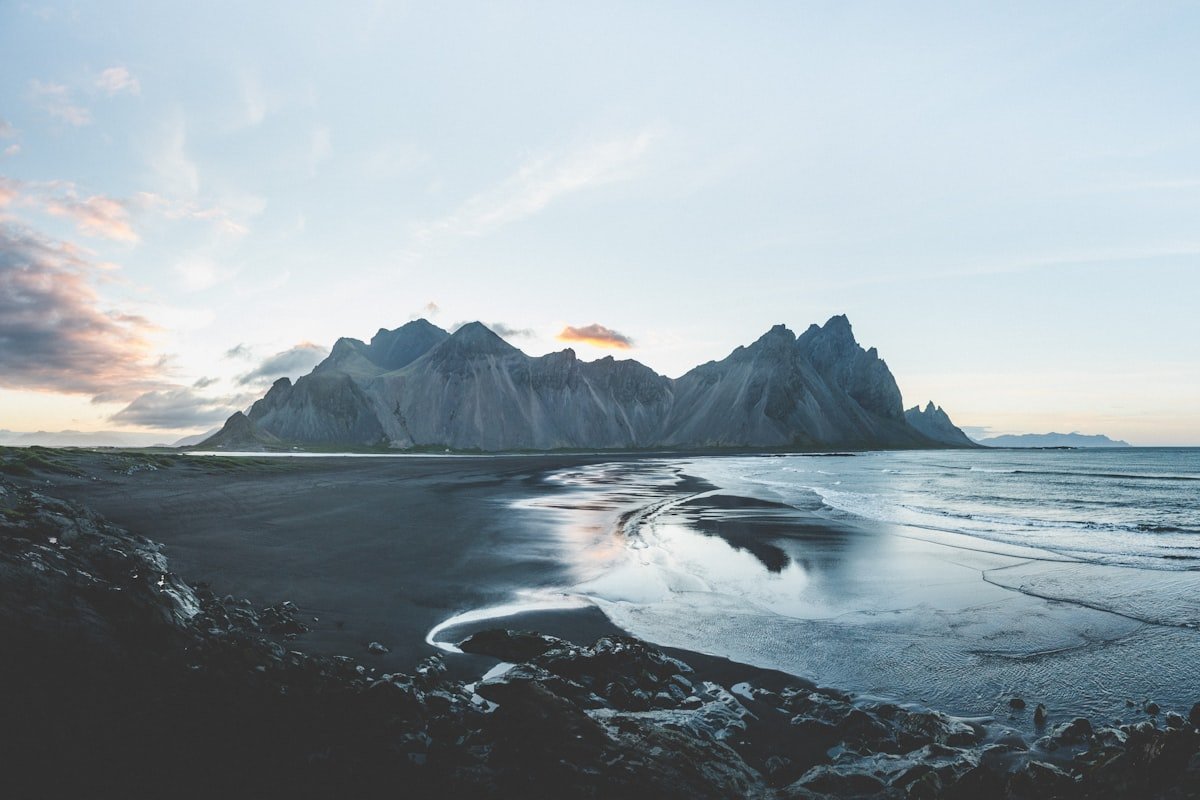
South Coast: Seljalandsfoss and Skógafoss waterfalls, Reynisfjara black sand beach, and the glacier lagoon at Jökulsárlón. The ice chunks on Diamond Beach are surreal.
East Fjords: The least-visited section — dramatic cliff roads, tiny fishing villages, and reindeer sightings. Seyðisfjörður is a colorful port town worth a night.
North: Akureyri (Iceland’s second city), Mývatn (volcanic lake district with hot springs and lava formations), and Húsavík (the whale watching capital — one of the best places on Earth for ethical whale tours).
Westfjords: Off the Ring Road but worth the detour. Iceland’s most remote region has dramatic cliffs, the Dynjandi waterfall cascade, and almost no other tourists. This is raw, untouched Iceland.
Where to Stay
Iceland’s accommodation scene leans naturally sustainable:
- Guesthouses — Family-run, geothermally heated, often with homemade breakfast. $80-150/night.
- Farm stays — Working farms offering rooms and local food. Icelandic lamb doesn’t get more local than this.
- ION Adventure Hotel — Built from reclaimed materials on a UNESCO-listed lava field, powered entirely by geothermal energy. Iceland’s flagship eco-hotel.
- Camping — Iceland has excellent campgrounds ($10-20/night) and wild camping is permitted on uncultivated public land with landowner permission.
Responsible Tourism in Iceland
Iceland’s fragile landscapes demand extra care:
- Stay on marked paths — Icelandic moss takes 20-100 years to regrow once stepped on. This is not an exaggeration.
- Don’t stack rocks — Rock cairns look cute on Instagram but destroy habitats and confuse historical trail markers.
- Respect hot springs — Wild hot pots are fragile. Don’t use soap, don’t leave trash, and check temperature before entering.
- No drones without permits — Drones disturb nesting seabirds, especially puffins and Arctic terns.
- Watch for nesting birds — Arctic terns will dive-bomb you near their nests (May-August). Take the hint and reroute.
Budget Tips
Iceland is expensive. Here’s how to manage:
- Buy groceries at Bónus or Krónan (budget supermarkets, pink pig logo)
- Cook at accommodations — eating out averages $30-50 per meal
- Free hot springs — skip the Blue Lagoon ($80+) for free alternatives like Seljavallalaug or Reykjadalur
- Camp — a camping card ($150) covers 40+ campgrounds for the whole trip
- Tap water is perfect — straight from glacial springs, some of the cleanest in the world
See more ideas in our budget sustainable travel guide.
When to Visit
- June-August: Midnight sun, all roads open, puffins, warmest weather (10-15°C)
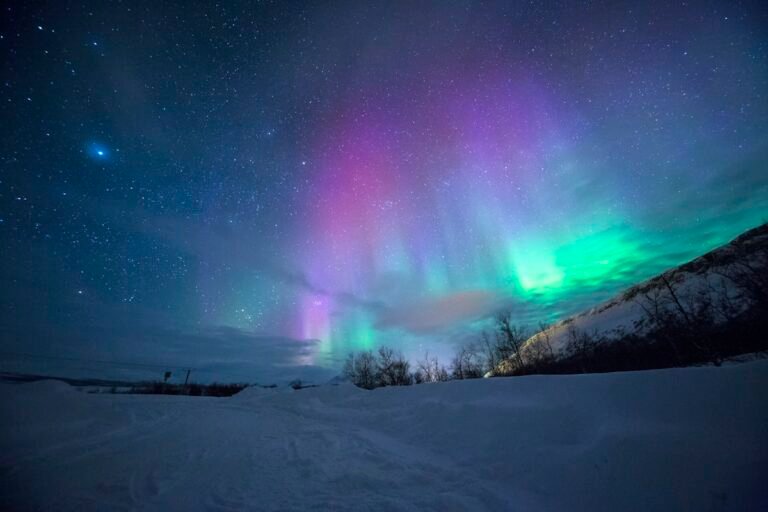
- September-October: Northern lights begin, fewer tourists, fall colors
- November-March: Northern lights peak, ice caves, winter landscapes, but limited daylight and some roads closed
- April-May: Shoulder season — fewer crowds, lengthening days, occasional snow
Iceland is living proof that a country can power itself sustainably while remaining one of the most spectacular places on Earth. Travel carefully, and it’ll stay that way.
More destination guides at our global eco-travel directory. For cold-weather gear, check our sustainable packing list.