Lower-Waste Travel: A Practical System
Editorial note: Canopy Trips has no paid placement in this guide. Booking.com approval is pending, and this page contains no Booking.com affiliate links.
Travel is not zero waste, and pretending otherwise hides the waste a traveler cannot see or control. Use a lower-waste hierarchy: prevent an unnecessary item, reuse what already works, refill when safe and available, and dispose according to local systems.
How to use this guide: Map the itinerary and likely waste points before buying a kit. Airports, road stops, remote lodges, camps, and city apartments have different refill, washing, food, and disposal options.
Plan by waste point
| Moment | Prevent | Reuse | Constraint |
|---|---|---|---|
| Flight or rail day | Skip duplicate amenity kits | Bottle after security where refill is available | Security and potable-water rules |
| Takeaway meal | Order only what can be eaten | Container or utensils when accepted | Vendor hygiene and local rules |
| Hotel stay | Decline unnecessary daily items | Use existing toiletries | Water and laundry systems vary |
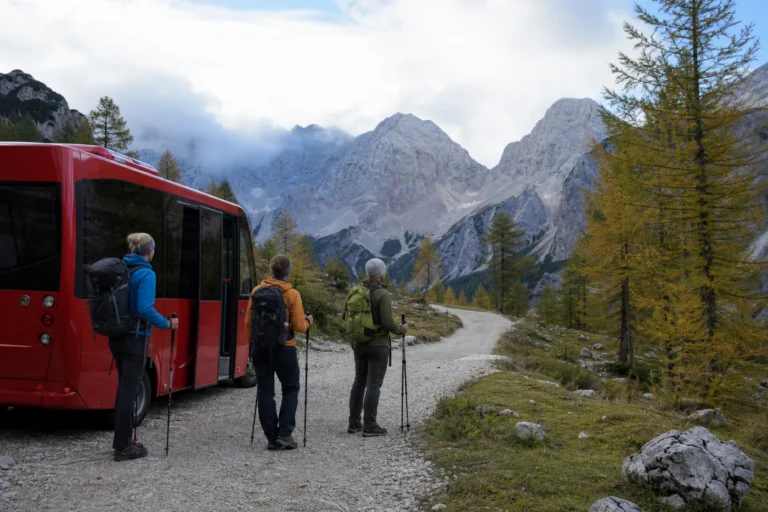
| Day hike | Remove excess packaging before departure | Durable snack bag | Wildlife food-storage rules |
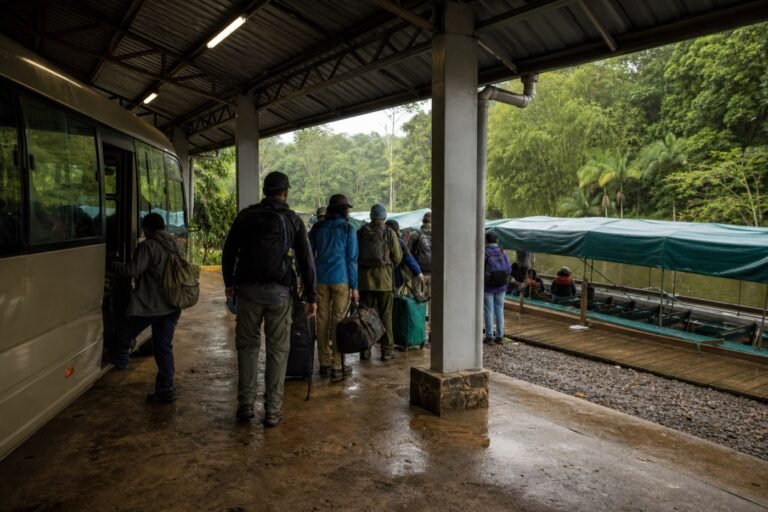
| Remote transfer | Carry the needed quantity | Refill only from a safe source | Waste may need to leave with you |
Reusable does not mean mandatory
A reusable item creates material and transport impacts. It earns its place when it replaces a real disposable pattern and will stay in use. Do not buy a bamboo version of something you never use.
Food and toiletries create hidden waste
- Order portions that fit the day rather than collecting leftovers with no refrigeration.
- Use concentrates or refillables only when the formula works and the destination can handle disposal.
- Keep medication in safe, identifiable packaging.
- Never release biodegradable soap directly into natural water.
- Treat wrappers, tissues, and microtrash as pack-out items where required.
Destination systems control the last step
Recycling labels do not guarantee local collection, sorting, or markets. Follow the host’s current instructions. When a remote property asks visitors to carry batteries or specialty waste home, plan the return storage before departure.
Use a realistic goal
Track avoided duplicates, meals finished, bottles refilled safely, and gear kept in service. Do not turn unavoidable medical, hygiene, or safety waste into guilt.
Primary and standards sources
- EPA waste management hierarchy
- National Park Service Leave No Trace principles
- U.S. government food safety steps
Continue the decision
Build the actual kit with the route-first packing list and the toiletry label guide.