Kenya Safari Field Guide: Park Rules, Fees, Operators
Editorial note: Canopy Trips has no paid placement in this guide. Booking.com approval is pending, and this page contains no Booking.com affiliate links.
Kenya’s parks, national reserves, private conservancies, and community conservancies do not share one booking or benefit model. Identify who manages each place, which fees apply, who owns the camp or operator, and which wildlife rules govern the actual game drive.
Field-guide method: Use Kenya Wildlife Service for KWS-managed areas and the relevant reserve or conservancy authority elsewhere. Ask the operator for a written itinerary, vehicle capacity, fees, guide, wildlife conduct, lodging entities, and community relationship.
Build the route
| Base or segment | Use it for | Constraint | Verify before payment |
|---|---|---|---|
| Nairobi and nearby KWS parks | Arrival buffer and short wildlife segment | Traffic and timed park day | KWS entry and vehicle |
| Amboseli or Tsavo corridor | KWS-managed park circuit | Road distance and current fees | Entry days and lodging location |
| Maasai Mara region | National reserve or conservancy safari | Different authorities and fee models | Exact land manager and gate |
| Laikipia or northern conservancies | Conservancy-focused stay | Flights, road access, ownership variation | Conservancy and operator evidence |
Fees belong to the exact land manager
KWS fee rules apply to KWS-managed parks and sanctuaries. County reserves and conservancies can have different systems. Ask the seller to identify each authority and separate official fees from commercial charges.
Wildlife distance is a rule, not a photo preference
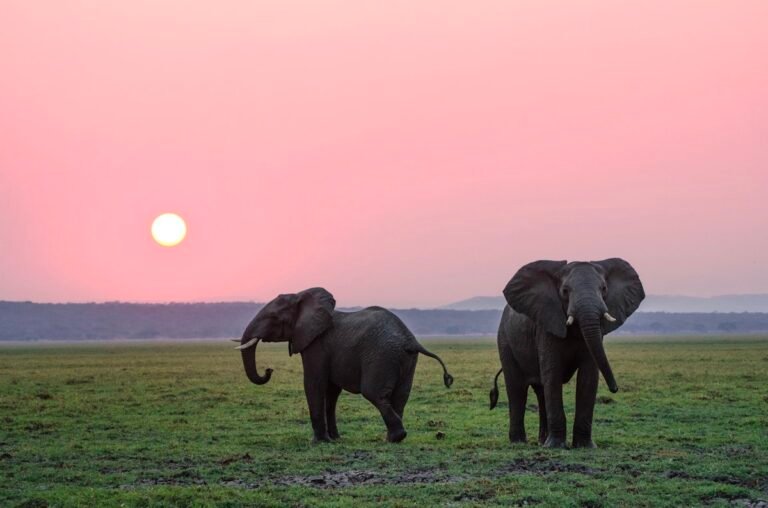
KWS park rules prohibit feeding, off-road driving, speeding, and disturbing wildlife, and advise an appropriate viewing distance. A crowded sighting does not permit the guide to ignore the animal’s movement or right of way.
Community conservancy claims
Ask who owns or governs the land and tourism entity, how payments reach members, what employment and procurement are local, and how grazing, wildlife, and visitor numbers are decided. Keep evidence specific to the named conservancy.
Choose a circuit, not a checklist
Two or three connected areas often fit better than chasing every famous reserve. Keep road or flight time, park-entry windows, and rest in the decision.
Before you book
- Name the manager for every protected area.
- Verify current fees and payment channel.
- Ask for vehicle capacity and guide assignment.
- Reject feeding, off-road shortcuts, and guaranteed sightings.
- Verify community benefit at the named entity.
Official sources
- Kenya Wildlife Service park rules
- Kenya Wildlife Service parks
- Kenya Wildlife Service protected-area management
Continue planning
Apply the wildlife trip due-diligence screen and compare Tanzania safari planning.