Patagonia Travel Field Guide: Parks, Weather, Transfers
Editorial note: Canopy Trips has no paid placement in this guide. Booking.com approval is pending, and this page contains no Booking.com affiliate links.
Patagonia is a region across two countries, not a single national-park stop. Choose Chilean or Argentine Patagonia as the center of a short trip, then add a cross-border segment only when buses, entry rules, and weather buffers are explicit.
Field-guide method: Use official park and reservation systems for Torres del Paine, Los Glaciares, and any additional protected area. Recheck trail, fire, camping, weather, and border information close to departure.
Build the route
| Base or segment | Use it for | Constraint | Verify before payment |
|---|---|---|---|
| Torres del Paine | Multi-day trek or lodge-based day hikes | Reservations, wind, transfers, camping rules | Exact circuit and services |
| El Calafate and Los Glaciares | Glacier access and regional base | Park entry and road transfers | Official park status |
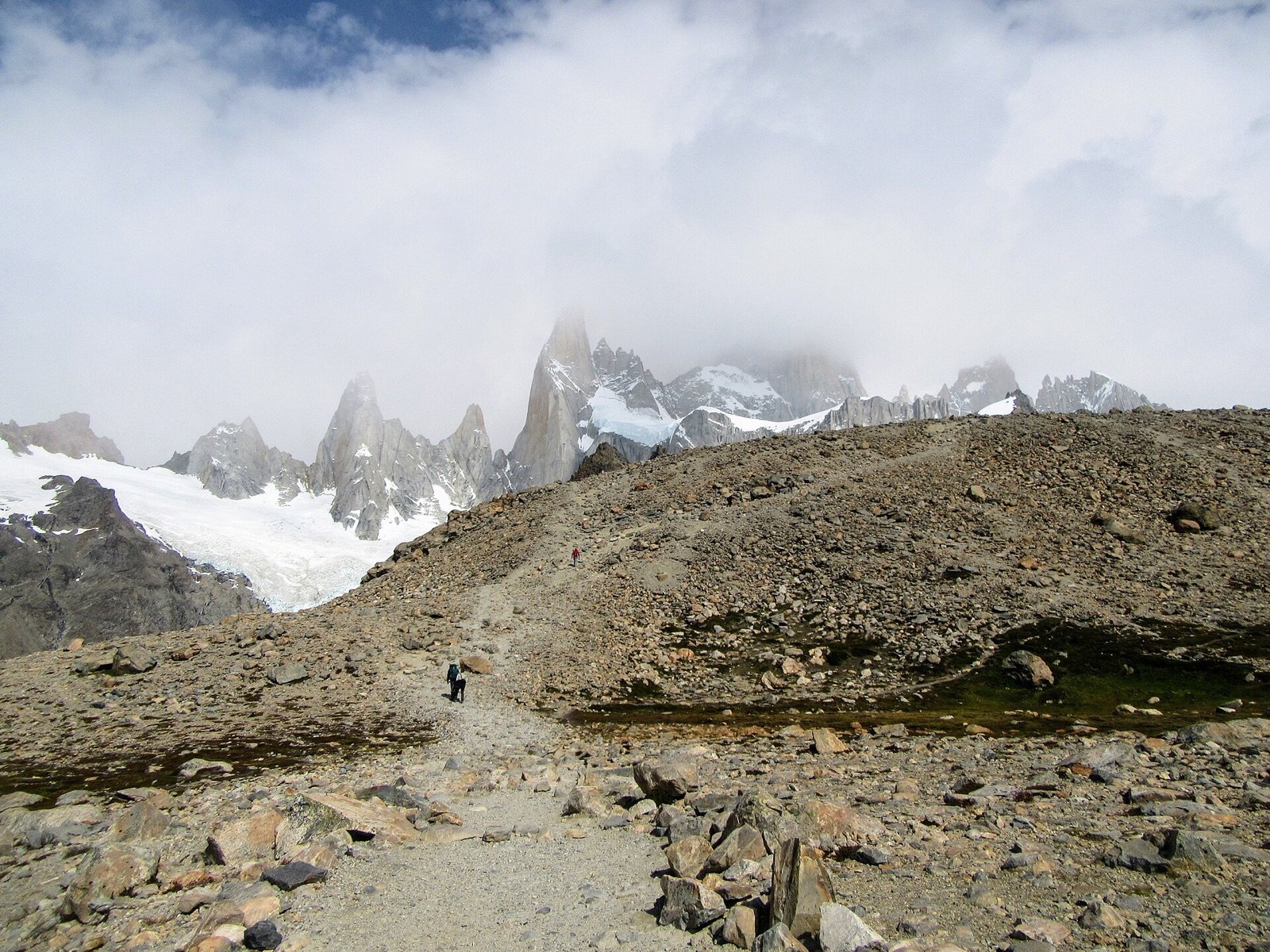
| El Chaltén | Trail-based town stay | Weather and popular trail pressure | Trail alerts and transport |
| Cross-border circuit | Two-country trip | Bus, border, schedule, baggage | Connection and entry buffer |
One park system first
A dedicated Torres del Paine or Los Glaciares trip can fill a week. Combining both requires ground-transport and border days that should be treated as itinerary segments, not empty space.
Reservations are conservation infrastructure
Camp, refuge, permit, and entry systems control capacity and services. Use the exact legal provider and official park information. Do not arrive assuming a reseller can solve a sold-out route.
Weather controls the day
High wind, cold, rain, snow, and fire risk can change trails and transport. Carry the required layers and turn around when conditions exceed the plan. No photograph or sunk booking cost overrides a closure.
Lodging and conservation claims
Separate a property’s proximity, design, local employment, energy, waste, and conservation claims. Verify each claim and include the transfer burden in the stay decision.
Before you book
- Choose one primary park system.
- Reserve every required overnight service.
- Check trail, fire, and weather notices.
- Allow cross-border and bus buffers.
- Keep all food and waste within park rules.
Official sources
- Torres del Paine official park information
- Argentina National Parks: Los Glaciares
- Chile CONAF national parks
Continue planning
Pack for the route with the packing framework and use the camping requirements guide.