Wildlife Conservation Trips: Screen the Operator First
Editorial note: Canopy Trips has no paid placement in this guide. Booking.com approval is pending, and this page contains no Booking.com affiliate links.
A wildlife tour is not a conservation trip because the sales page uses the word conservation. The useful questions are operational: what animals are involved, how close visitors get, who controls the encounter, where the money goes, and what happens when an animal changes behavior.
How to use this guide: Ask for written answers before payment. Compare the operator’s response with the protected-area rules and an independent animal-welfare framework. Reject vague claims and any experience built around guaranteed contact.
Booking screen
| Question | Stronger signal | Reason to walk away |
|---|---|---|
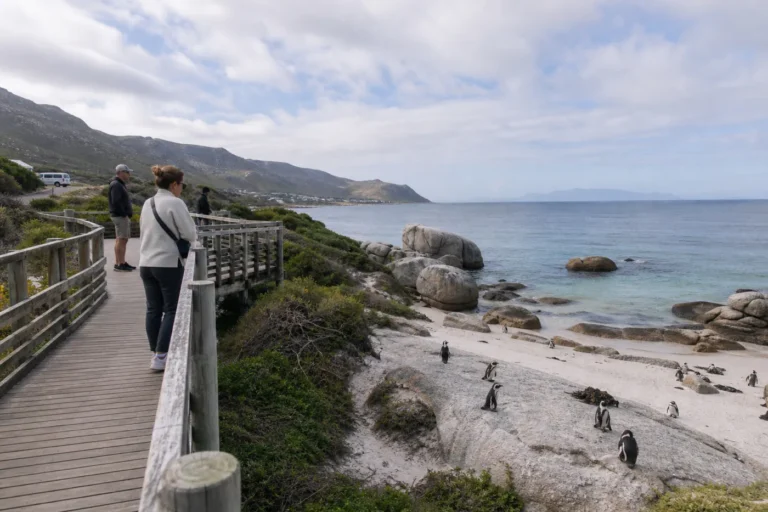
| Is wildlife free to leave? | Wild observation with distance rules | Restraint, baiting, feeding, touching, or staged handling |
| Who sets the rules? | Named park authority and permit | The operator says its own policy is enough |
| How is the group managed? | Published maximum and guide ratio | No group limit or multiple groups crowding one animal |
| What does conservation mean here? | Named program, budget, partner, and reporting | A donation claim with no recipient or amount |
| How are local people involved? | Local ownership, employment, procurement, or governance described | Community imagery without a decision-making role |
Animal contact is the first filter
Do not book direct contact with wild animals for a photograph. Feeding, baiting, riding, washing, handling, restraining, and forcing proximity can alter behavior or create injury and disease risk. A sanctuary label does not by itself resolve those issues.
Conservation claims need a chain
- Name the legal operator and the protected area.
- Identify the specific conservation or community program.
- Ask whether the contribution is fixed, percentage-based, or discretionary.
- Look for current reporting by the recipient, not only the tour seller.
- Keep admission fees separate from voluntary donations and commercial margins.
Guide practice matters during the sighting
A credible guide describes distance, light, noise, vehicle position, time limits, and the response to stress behavior. Guaranteed-species language is a warning because wildlife does not follow a booking schedule.
What visitors can control
Follow the stricter of the park rule and operator rule. Keep food secured, never call or chase an animal, stay on authorized routes, and report unsafe behavior to the land manager. The responsible choice may be leaving without the photograph.
Primary and standards sources
- GSTC Tour Operator Standard
- World Animal Protection guidance on wildlife tourism
- Kenya Wildlife Service park rules
Continue the decision
Apply the screen to the Costa Rica wildlife booking checklist and compare destination-specific rules in the Galápagos field guide.