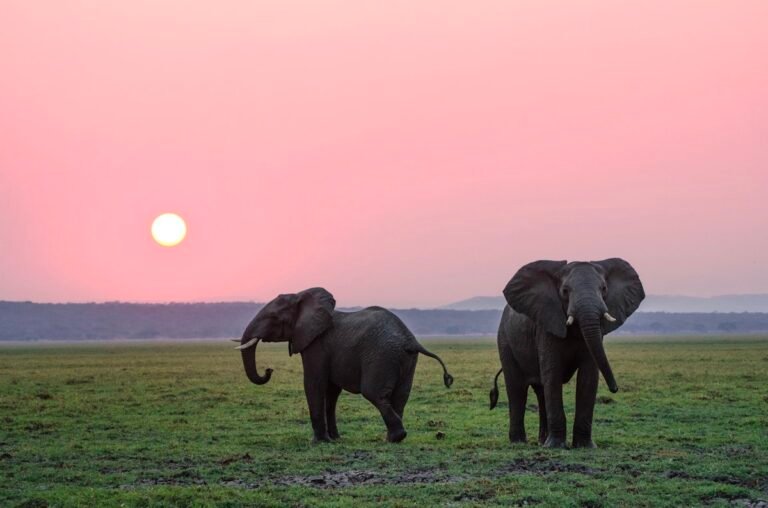
Tanzania Safari & Conservation Guide: Ethical Wildlife Tourism
Tanzania is one of the most extraordinary wildlife destinations on Earth. Home to the Serengeti’s Great Migration, the Ngorongoro Crater’s dense concentration of predators, and the wild expanses of Selous (now Nyerere National Park), it offers safari experiences that rival anywhere in Africa. But as tourism grows, so does the responsibility to ensure that our visits protect rather than harm these incredible ecosystems.
This comprehensive guide covers everything you need to know about planning an ethical wildlife safari in Tanzania — from choosing responsible tour operators and eco-lodges to understanding conservation challenges and how your tourism dollars can make a genuine difference. If you’re passionate about wildlife-focused travel, also explore our broader guide to wildlife conservation trips around the world.
Why Tanzania Is a Premier Safari Destination
Tanzania protects nearly 40% of its land area in national parks, game reserves, and conservation areas — one of the highest percentages of any country on Earth. This commitment to conservation has preserved some of Africa’s most intact ecosystems and supports extraordinary biodiversity.
Key Wildlife Areas
- Serengeti National Park — 14,750 km² of savanna hosting the Great Migration, with 1.5 million wildebeest, 400,000 zebras, and the highest concentration of large predators in Africa
- Ngorongoro Conservation Area — A UNESCO World Heritage Site where the 600m-deep volcanic crater shelters approximately 25,000 large animals including critically endangered black rhinos
- Nyerere National Park (formerly Selous) — Africa’s largest game reserve at 50,000 km², offering uncrowded boat safaris and walking safaris
- Tarangire National Park — Famous for massive elephant herds (up to 3,000 during dry season) and ancient baobab trees
- Mahale Mountains & Gombe Stream — Two of the best places on Earth to track wild chimpanzees in their natural habitat
- Ruaha National Park — Tanzania’s largest national park, wild and remote, with huge lion and elephant populations
Understanding Ethical Wildlife Tourism
Not all safaris are created equal. Ethical wildlife tourism means your visit actively contributes to conservation and community well-being while minimizing negative impacts. Here’s what to look for — and what to avoid.
Principles of Ethical Safari Travel
- Wildlife welfare comes first — Animals should never be harassed, baited, or disturbed for a photo opportunity
- Conservation funding — A meaningful portion of your safari cost should fund anti-poaching, habitat restoration, and wildlife research
- Community benefit — Local communities should receive direct economic benefits through employment, revenue sharing, and social programs
- Environmental stewardship — Lodges and operators should minimize waste, water use, and carbon emissions
- Cultural respect — Interactions with local communities (especially Maasai) should be dignified and mutually beneficial
Red Flags to Watch For
- Operators that promise guaranteed sightings of specific animals (this often leads to harassment)
- Off-road driving to get closer to wildlife
- Lodges that offer interactions with captive wild animals
- Tours with no mention of conservation or community contributions
- Extremely cheap safaris that cut corners on park fees and staff wages
How to Choose a Responsible Safari Operator
Your choice of safari operator is the single most important decision in planning an ethical Tanzania safari. A responsible operator will shape every aspect of your experience, from guide behavior around wildlife to where your money goes.
Certifications and Memberships to Look For
- Travelife Certified — International sustainability certification for tour operators
- TATO (Tanzania Association of Tour Operators) — Membership indicates legitimacy and adherence to local standards
- Pack for a Purpose partner — Operators who facilitate travelers supporting local communities
- African Travel and Tourism Association (ATTA) — Regional industry body promoting responsible tourism
- B Corp Certification — Indicates a commitment to social and environmental performance
Questions to Ask Your Operator
- What percentage of trip costs go directly to conservation and communities?
- How are your safari guides trained in wildlife ethics and guest education?
- What is your policy on off-road driving and minimum approach distances?
- Do you employ staff from local communities, and at what wage levels?
- What specific conservation projects do you fund or participate in?
- How do you handle waste management in remote safari camps?
Best Eco-Lodges and Camps in Tanzania
Where you stay matters enormously. Tanzania has some of the world’s most innovative eco-lodges, blending luxury with genuine sustainability. For more options globally, see our guide to the best eco-lodges worldwide.
Serengeti
&Beyond Serengeti Under Canvas — This mobile tented camp follows the Great Migration, minimizing permanent environmental impact. Solar-powered, with a strict leave-no-trace policy. The camp funds the &Beyond Foundation’s community and conservation initiatives across East Africa.
Singita Grumeti — Operating within a 350,000-acre private concession, Singita funds one of Africa’s most successful conservation and community programs. Their anti-poaching unit has helped restore wildlife populations to historic levels, and the Grumeti Fund supports schools, clinics, and sustainable agriculture for neighboring communities.
Ngorongoro
The Highlands Ngorongoro — Asilia Africa’s striking domed camp sits on the forested slopes above the crater. Fully solar-powered, using recycled materials, and contributing to the Asilia Giving Back program that funds education and conservation.
Entamanu Ngorongoro — Nomad Tanzania’s intimate camp on the crater rim operates with minimal environmental footprint. Nomad funds the Serengeti De-Snaring Project, which has removed over 100,000 wire snares from the ecosystem.
Southern Circuit
Sand Rivers Selous — Located in Nyerere National Park, this open-fronted stone and thatch lodge offers walking safaris and boat trips. It funds anti-poaching and community programs in the surrounding buffer zones. If you’re looking for budget-friendly eco-stays, our best eco-friendly hotels under $150 guide has more options.
The Great Migration: When and Where to Go
The Great Migration is the world’s largest terrestrial wildlife movement and Tanzania’s most iconic safari experience. Understanding its patterns helps you plan a trip that avoids overcrowding and minimizes your impact on this natural wonder.
Migration Calendar
- January–March — Calving season in the southern Serengeti (Ndutu area). Up to 8,000 wildebeest calves born daily. Predator activity at its peak.
- April–May — Herds move northwest through the central Serengeti. Green season means fewer tourists and lower prices.
- June–July — The dramatic Grumeti River crossings as herds push north.
- August–October — Mara River crossings in the northern Serengeti. The most famous (and crowded) migration spectacle.
- November–December — Herds return south toward the Ndutu plains as short rains begin.
Ethical Migration Viewing Tips
- Choose camps that limit vehicle numbers at river crossings
- Never pressure your guide to get closer to crossings or predator kills
- Visit during shoulder seasons (April-May, November) for fewer crowds and lower impact
- Consider mobile camps that position you near the action without daily long drives
Conservation Challenges and How Tourism Helps
Tanzania’s wildlife faces significant threats, and understanding these challenges helps you become a more informed and impactful visitor.
Poaching
While elephant poaching has decreased significantly since its peak in 2012-2014 (Tanzania lost roughly 60% of its elephants in the preceding decade), it remains an ongoing threat. Tourism revenue funds critical anti-poaching patrols, with many lodges directly supporting ranger programs. The Tanzania National Parks Authority (TANAPA) now employs over 5,000 rangers, many funded partially through park fees.
Human-Wildlife Conflict
As human populations grow around protected areas, conflicts between wildlife and communities increase. Elephants raid crops, lions kill livestock, and retaliatory killings threaten both species. Responsible tourism operations invest in solutions like predator-proof livestock enclosures (bomas), crop insurance programs, and wildlife corridors that allow animals to move safely between protected areas.
Habitat Loss
Agricultural expansion and infrastructure development threaten wildlife corridors and buffer zones around national parks. Conservation-focused tourism provides an economic argument for keeping land wild — when wildlife generates more revenue than farming, communities have incentives to protect it.
Climate Change
Changing rainfall patterns affect the Great Migration’s timing and the availability of water across the ecosystem. Some researchers predict significant shifts in wildlife distribution within the next 20-30 years. Carbon-conscious travel choices, including offsetting your flights, help address this broader threat.
Chimpanzee Trekking: Mahale and Gombe
Tanzania offers some of the world’s best opportunities to observe wild chimpanzees. Both Mahale Mountains and Gombe Stream national parks on the shores of Lake Tanganyika are home to habituated chimp communities that can be tracked on foot.
Ethical Chimpanzee Trekking Guidelines
- Maintain a minimum distance of 10 meters from chimps at all times
- Maximum group size of 6 visitors per chimp community per day
- Wear a face mask to prevent disease transmission (chimps are highly susceptible to human respiratory diseases)
- Do not visit if you have any cold or flu symptoms
- Limit your visit to one hour once you find the chimps
- Never use flash photography
The permit fees ($100-150 per trek) fund park management, chimp habituation, and anti-poaching patrols. The Jane Goodall Institute continues its research at Gombe, and visits help fund their community-centered conservation work.
What to Pack for an Ethical Tanzania Safari
Packing thoughtfully reduces waste and supports sustainability on safari. Here are essentials:
- Reusable water bottle — Most eco-lodges offer filtered water refill stations. See our picks for the best reusable water bottles for travel.
- Reef-safe, eco-friendly sunscreen — Standard sunscreens can contaminate water sources. Check our reef-safe sunscreen guide for recommendations.
- Neutral-colored clothing — Khaki, olive, and tan in lightweight, quick-dry fabrics (avoid bright colors that disturb wildlife and dark colors that attract tsetse flies)
- Binoculars — Good optics let you enjoy wildlife from a respectful distance
- Biodegradable toiletries — Essential for camps with bush showers and pit latrines
- Reusable bags — Tanzania has a strict plastic bag ban; bring cloth bags for shopping
For a complete eco-packing guide, see our sustainable travel packing list.
Community Tourism Experiences
Some of the most meaningful moments in Tanzania happen outside the national parks. Community-based tourism offers authentic cultural exchanges while directing revenue to local people.
Recommended Community Experiences
- Maasai village visits — Choose operators that work with communities on fair-trade principles, where the community controls the experience and sets the terms
- Coffee farm tours — Visit smallholder coffee farms on the slopes of Mount Kilimanjaro and learn about sustainable agriculture
- Hadzabe bush walks — Spend a morning with one of the last hunter-gatherer communities in Africa (run through community-approved tourism programs only)
- Local market visits — Explore weekly markets in towns like Karatu and Mto wa Mbu, supporting local artisans and food producers
Getting to Tanzania Sustainably
Most international visitors fly into Kilimanjaro International Airport (JRO) or Julius Nyerere International Airport (DAR) in Dar es Salaam. To minimize your flight impact:
- Choose direct flights where possible (Ethiopian Airlines, KLM, and Turkish Airlines offer good options)
- Offset your flight emissions through a verified program — see our carbon offsetting guide
- Stay longer and visit more — one three-week trip is far greener than three one-week trips
- Consider combining Tanzania with other East African destinations (Kenya, Rwanda) on a single trip
Budget Considerations for Ethical Safaris
Ethical safaris aren’t always the most expensive option, but they do require avoiding the cheapest deals that often cut corners on conservation fees, staff wages, and environmental practices. For general tips on managing costs while traveling responsibly, check our sustainable travel budget tips.
Approximate Budget Ranges (per person, per day, 2026)
- Budget ($250-400/day) — Group camping safaris with reputable mid-range operators
- Mid-range ($400-800/day) — Private vehicle safaris with quality tented camps
- Premium ($800-2,000+/day) — Exclusive concession camps with top conservation credentials
At every price point, look for operators who are transparent about how your money is allocated. A higher percentage going to park fees, community funds, and conservation is always a good sign.
When to Visit: Seasons and Sustainability
Timing your visit strategically can reduce both your environmental impact and your costs:
- Green season (March-May) — Lowest tourist numbers, best rates, lush landscapes, excellent birding. Some roads may be challenging.
- Shoulder months (June, November) — Good wildlife viewing with fewer crowds than peak season.
- Peak season (July-October, December-February) — Best weather and wildlife viewing but highest environmental pressure from tourist numbers.
Visiting during off-peak times spreads tourism’s economic benefits more evenly throughout the year and reduces pressure on popular sites during peak periods.
Final Thoughts: Safari as a Force for Good
An ethical Tanzania safari is one of the most powerful ways to support wildlife conservation through tourism. When done right, your visit funds anti-poaching patrols, provides livelihoods for local communities, and creates economic incentives to protect wild spaces that might otherwise be converted to farmland.
The key is intentionality: choose operators and lodges with genuine conservation credentials, respect wildlife viewing guidelines, support community initiatives, and offset the carbon footprint of getting there. Tanzania’s wildlife has survived for millennia — with responsible tourism, we can help ensure it thrives for millennia more.
For more wildlife-focused travel inspiration, explore our guides to Costa Rica’s biodiversity, Bali’s marine conservation, and our comprehensive list of conservation trips worldwide.
Planning a Tanzania safari? Share your questions in the comments below, and we’ll help you create an unforgettable, ethical wildlife experience.