Volunteer Travel: How to Actually Make a Difference
Volunteer travel — sometimes called voluntourism — can be one of the most meaningful ways to experience a destination. But it can also cause real harm if done poorly. This guide cuts through the marketing to help you find volunteer experiences that genuinely benefit communities, wildlife, and ecosystems.
The Problem with Voluntourism
Let’s be honest upfront: much of the volunteer travel industry exists to make Western travelers feel good, not to create lasting impact. The worst programs can actively harm the communities they claim to help.
Common Red Flags
- Orphanage tourism — This is the biggest offender. In countries like Cambodia, Nepal, and Haiti, demand from voluntourists has created financial incentives to keep children in institutions — or even recruit them from families. UNICEF, Save the Children, and major NGOs universally condemn orphanage volunteering. If a program offers it, walk away.
- No skills required — If a program will let anyone do anything regardless of qualifications, the work probably doesn’t need doing, or it’s displacing local workers who could do it better.
- Short-term construction projects — Building a school for a week sounds great, but untrained volunteers often produce shoddy work that locals must redo. Meanwhile, local builders lose income.
- High fees with no transparency — Many programs charge $2,000-$5,000+ per volunteer, with only a fraction reaching the community. If an organization won’t tell you exactly where your money goes, that’s a problem.
- Animal selfie opportunities — Programs offering close contact with wild animal babies (lion cubs, baby elephants, sloths) are almost always exploitative. Legitimate sanctuaries minimize human-animal contact.
What Good Volunteer Travel Looks Like
Ethical volunteer programs share several characteristics that distinguish them from harmful voluntourism:
Community-Led Design
The best programs are designed by and with local communities, not imposed from outside. The community identifies its own needs and determines how volunteers can help. Volunteers supplement — never replace — local capacity.
Skilled Contributions
You should bring something the community actually needs: medical expertise, teaching qualifications, engineering skills, ecological knowledge, language abilities. If your only qualification is enthusiasm, look for programs that train volunteers extensively before placement.
Long-Term Commitment
Meaningful change takes time. Programs requiring minimum commitments of 2-4 weeks (or more) are generally more effective than week-long placements. Some of the best organizations require 3-12 month commitments.
Financial Transparency
Ethical organizations publish detailed breakdowns of where volunteer fees go. Look for organizations that direct at least 80% of program fees to community projects and in-country costs, with overhead clearly explained.
Measurable Impact
Good programs track outcomes — not just outputs. There’s a difference between “we built 10 classrooms” (output) and “literacy rates in our partner communities increased 15% over three years” (outcome). Ask for impact reports.
Types of Volunteer Travel That Actually Work
Conservation and Wildlife Research
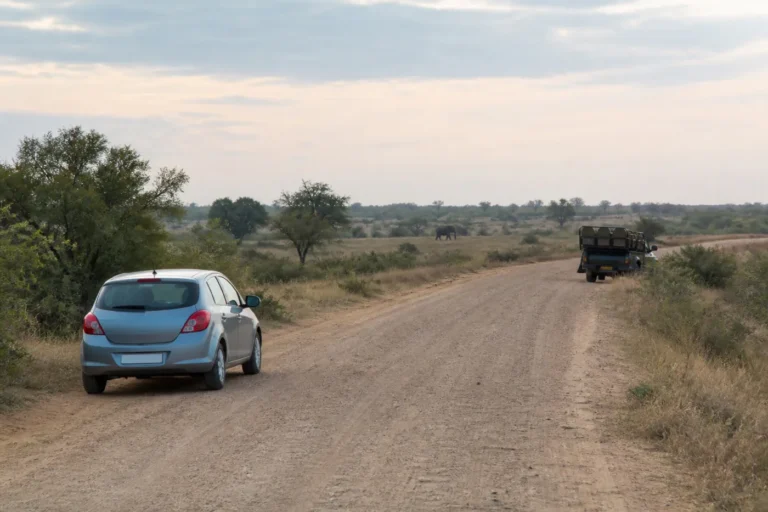
Citizen science and conservation volunteering is one area where short-term volunteers genuinely add value. Researchers need people to collect data — counting species, monitoring habitats, tagging animals — and volunteers provide the labor that makes large-scale studies possible.
Recommended organizations:
- Earthwatch Institute — Pairs volunteers with scientists on real research expeditions. Projects range from tracking jaguars in Costa Rica to monitoring coral reefs in the Maldives. Fees fund the research directly.
- Biosphere Expeditions — Not-for-profit citizen science organization working on conservation research worldwide. Transparent finances, real scientific output.
- Wildlife ACT — Monitors endangered species in South African reserves. Volunteers contribute directly to population tracking of wild dogs, cheetahs, and rhinos.
For more on ethical wildlife experiences, see our guides to wildlife conservation trips and the Tanzania safari and conservation guide.
Marine Conservation
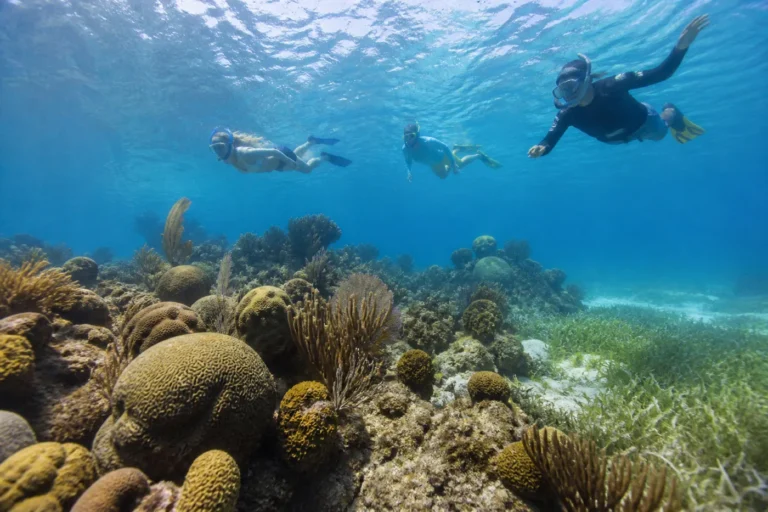
Ocean conservation programs often have genuine volunteer needs — reef surveys, beach cleanups, turtle nesting monitoring, and marine debris research. Programs like Reef Check, Marine Conservation Philippines, and SEE Turtles are well-regarded.
If you’re volunteering near water, make sure you’re using reef-safe sunscreen — it’s a basic but important step.
Habitat Restoration
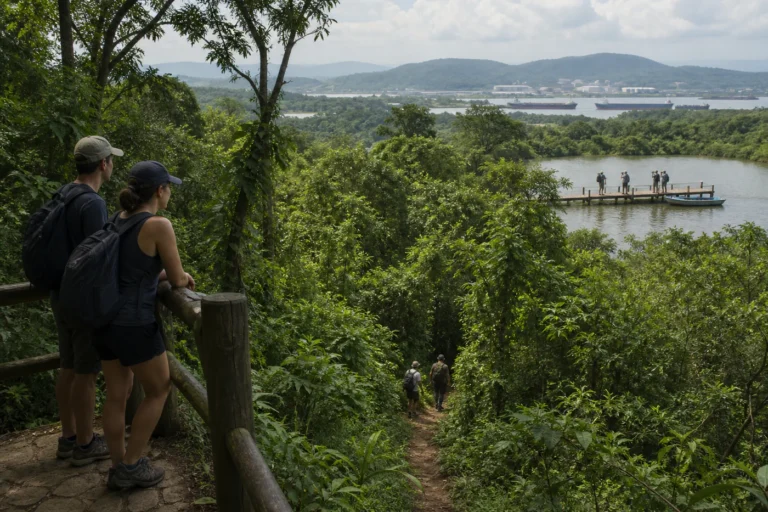
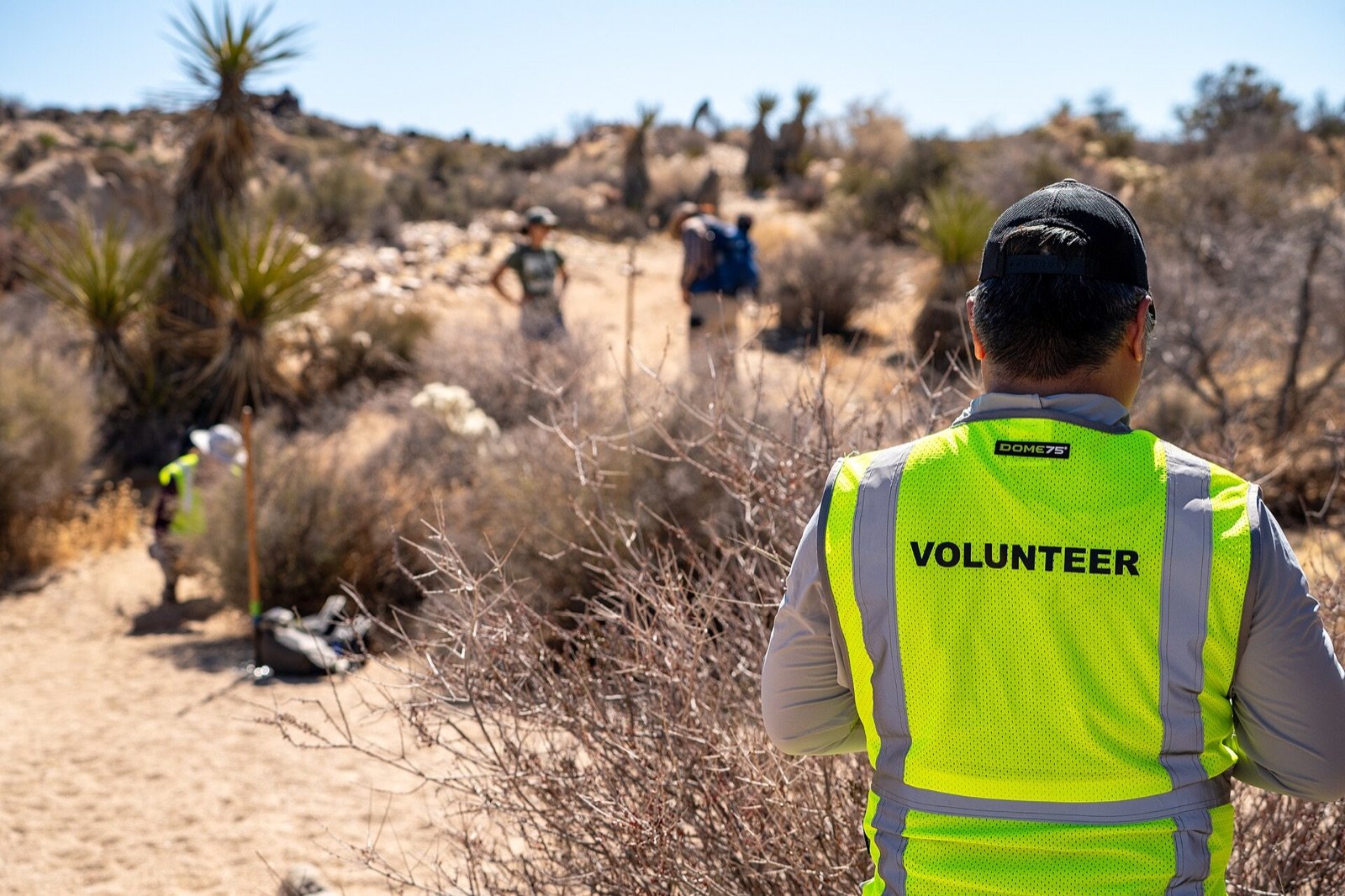
Trail maintenance, tree planting, invasive species removal, and ecosystem restoration projects benefit significantly from volunteer labor. Organizations like Conservation Volunteers International Program (CVIP) partner with national parks and protected areas worldwide.
Teaching and Education
Teaching volunteering works when done right: long-term placements (minimum 3 months), qualified or trained teachers, programs developed with local educational authorities, and a focus on building local teaching capacity rather than creating dependency on foreign volunteers.
Organizations like Peace Corps (2-year commitment), VSO, and WorldTeach maintain high standards. Avoid programs that place untrained volunteers in classrooms for a week.
Disaster Relief (With Caveats)
After natural disasters, the instinct to help is powerful. But untrained volunteers in disaster zones often create additional problems — consuming local resources, getting in the way of professionals, and sometimes causing secondary harm. The best approach:
- Donate money to established organizations (Red Cross, Doctors Without Borders, local NGOs) immediately after a disaster
- Volunteer for long-term rebuilding efforts months later, through organizations with established disaster response infrastructure
- Get trained first — organizations like All Hands and Hearts train volunteers before deployment
How to Vet a Volunteer Program
Before committing time and money, investigate thoroughly:
Questions to Ask the Organization
- What specific need does this program address, and who identified it? The answer should reference the community, not marketing research about what volunteers want to do.
- What qualifications or training are required? If the answer is “none,” be cautious.
- Where exactly does my fee go? Ask for a percentage breakdown. If they can’t or won’t provide one, look elsewhere.
- What happens when volunteers aren’t here? The program should function independently of volunteers. Volunteers enhance; they don’t sustain.
- Can I speak with past volunteers? Legitimate organizations will connect you with alumni.
- What are your measurable outcomes from the past 3-5 years? Look for data, not anecdotes.
- Do you work with or employ local people? Local staff should be paid fairly and hold leadership positions.
Third-Party Verification
- Learning Service Alliance — Promotes ethical volunteering standards.
- Global Volunteering Standard — Certification for responsible volunteer organizations.
- B Corp certification — Indicates the organization meets social and environmental performance standards.
- GuideStar / Charity Navigator — For U.S.-based nonprofits, check financial transparency ratings.
Alternatives to Traditional Volunteering
You don’t have to join a formal program to make a positive impact while traveling.
Work Exchanges
Platforms like Workaway, WWOOF (World Wide Opportunities on Organic Farms), and HelpX connect travelers with hosts who offer food and accommodation in exchange for 4-5 hours of daily work. These are cultural exchanges, not charity — and that honesty makes them more ethical than many volunteer programs.
Skill-Based Micro-Volunteering
Platforms like Catchafire and Translators Without Borders let you contribute professional skills remotely. You can support organizations in your travel destination before, during, or after your trip without the problematic dynamics of in-person voluntourism.
Citizen Science
Apps like iNaturalist, eBird, and Reef Life Survey let you contribute to real scientific research simply by documenting the wildlife you encounter while traveling. It’s volunteering without a program — and the data genuinely matters.
Responsible Spending
Sometimes the most helpful thing you can do is spend money well. Staying at locally owned accommodation, eating at local restaurants, hiring local guides, and buying from local artisans can create more sustainable economic impact than many volunteer programs. See our sustainable travel budget tips for more on this approach.
Making Your Volunteer Trip Sustainable
Once you’ve chosen an ethical program, apply the same sustainability principles you would to any trip:
- Get there responsibly — Consider carbon offsetting your flights, or choose programs in destinations reachable by train or bus.
- Pack sustainably — Follow our sustainable travel packing list and bring reusable water bottles, eco-friendly backpacks, and other low-waste gear.
- Stay at eco-accommodation — When not housed by the program, choose eco-lodges or affordable eco-friendly hotels.
- Respect cultural norms — Learn basic phrases in the local language, dress appropriately, and follow your hosts’ lead on customs and etiquette.
- Document responsibly — Ask before photographing people. Never photograph children in vulnerable situations. Your social media post is not more important than someone’s dignity.
Best Destinations for Ethical Volunteer Travel
Some destinations have better-developed ethical volunteer infrastructure than others:
- Costa Rica — Excellent wildlife conservation and reforestation programs. See our Costa Rica eco-travel guide.
- Tanzania — Community-based conservation programs with strong local leadership. Read our Tanzania safari and conservation guide.
- New Zealand — Department of Conservation runs respected volunteer programs for trail maintenance and predator-free initiatives. See our New Zealand eco-travel guide.
- Portugal — Growing rewilding and marine conservation volunteer opportunities. Check our Portugal eco-travel guide.
- Colombia — Community-based ecotourism and conservation programs are expanding. See our Colombia eco-travel guide.
The Mindset Shift
The most important change in volunteer travel is internal. Move from “I’m going to help those people” to “I’m going to learn from and contribute to a community.” The best volunteer experiences are humbling, not ego-boosting. You should come away with more questions than answers, more respect than pity, and a genuine understanding that the community existed — and thrived — long before you arrived.
Final Thoughts
Volunteer travel can be transformative — for you and for the communities and ecosystems you serve. But only if you approach it with honesty, humility, and a willingness to do the research. The questions are simple: Does this community want my help? Do I have something genuine to offer? Will this program exist and thrive without me?
If the answer to all three is yes, you’ve probably found something real. If not, there’s no shame in being a thoughtful, responsible tourist instead — spending your money well, treading lightly, and experiencing the world with open eyes. For more on traveling responsibly, start with our beginner’s guide to sustainable travel.