Kenya Safari & Conservation Guide: Ethical Wildlife Tourism

Kenya is the birthplace of the safari — and today, it’s at the forefront of ethical wildlife tourism and community-based conservation. From the Great Migration in the Maasai Mara to elephant research in Amboseli, this guide helps you plan a Kenyan safari that directly supports conservation and local communities.

Why Kenya for an Ethical Safari?

Kenya has more experience with wildlife tourism than almost any country on Earth. The word “safari” itself is Swahili for “journey,” and Kenya’s national parks and conservancies have been welcoming visitors since the 1940s. But what makes Kenya particularly compelling for ethical travelers is the evolution of its conservation model.

Over the past two decades, Kenya has pioneered the community conservancy model — where local communities (often Maasai, Samburu, or other indigenous groups) own and manage wildlife areas adjacent to national parks. These conservancies generate income for communities through tourism fees while protecting critical wildlife corridors. It’s a model that aligns conservation with community prosperity, rather than treating them as competing interests.

If you’re interested in conservation-focused travel, also explore our Tanzania safari and conservation guide and our overview of wildlife conservation trips worldwide.

Kenya’s Top Safari Destinations

Maasai Mara National Reserve and Conservancies

The Mara is Kenya’s most famous wildlife destination — and for good reason. The annual Great Migration (July-October) brings over 1.5 million wildebeest and hundreds of thousands of zebras and gazelles across the Mara River from Tanzania’s Serengeti. But the Mara is spectacular year-round, with one of the highest concentrations of predators in Africa.

Eco-tip: Stay in one of the private conservancies bordering the national reserve — Olare Motorogi, Naboisho, or Mara North. These community-owned conservancies limit visitor numbers (typically 1 vehicle per 100 acres vs. dozens in the main reserve), pay lease fees directly to Maasai landowners, and employ community members. The wildlife experience is often better than the main reserve because of lower crowds.

Amboseli National Park

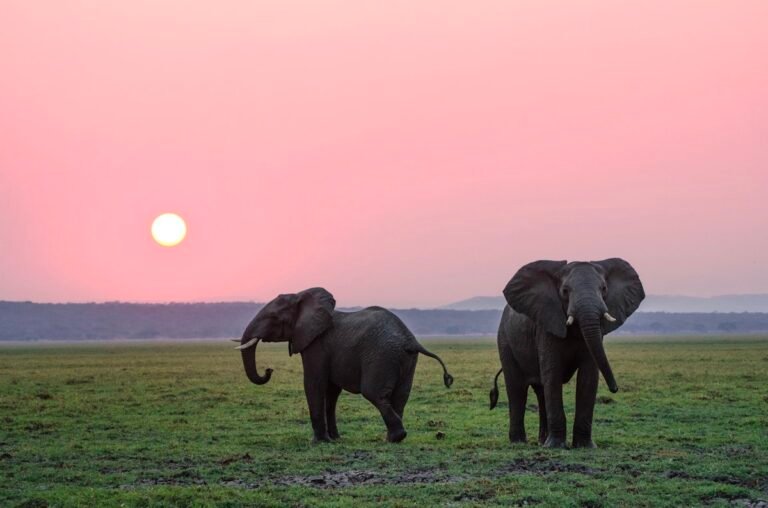
Amboseli is famous for its large elephant herds set against the backdrop of Mount Kilimanjaro. The Amboseli Trust for Elephants, founded by Dr. Cynthia Moss, has studied the park’s elephants continuously since 1972 — making it one of the longest-running wildlife studies anywhere. Visitors can learn about individual elephants by name and understand their family dynamics.

The park faces challenges from drought, human-wildlife conflict, and water diversion from Kilimanjaro’s glacial melt. Ethical lodges in the area support community water projects and wildlife corridors.

Laikipia Plateau

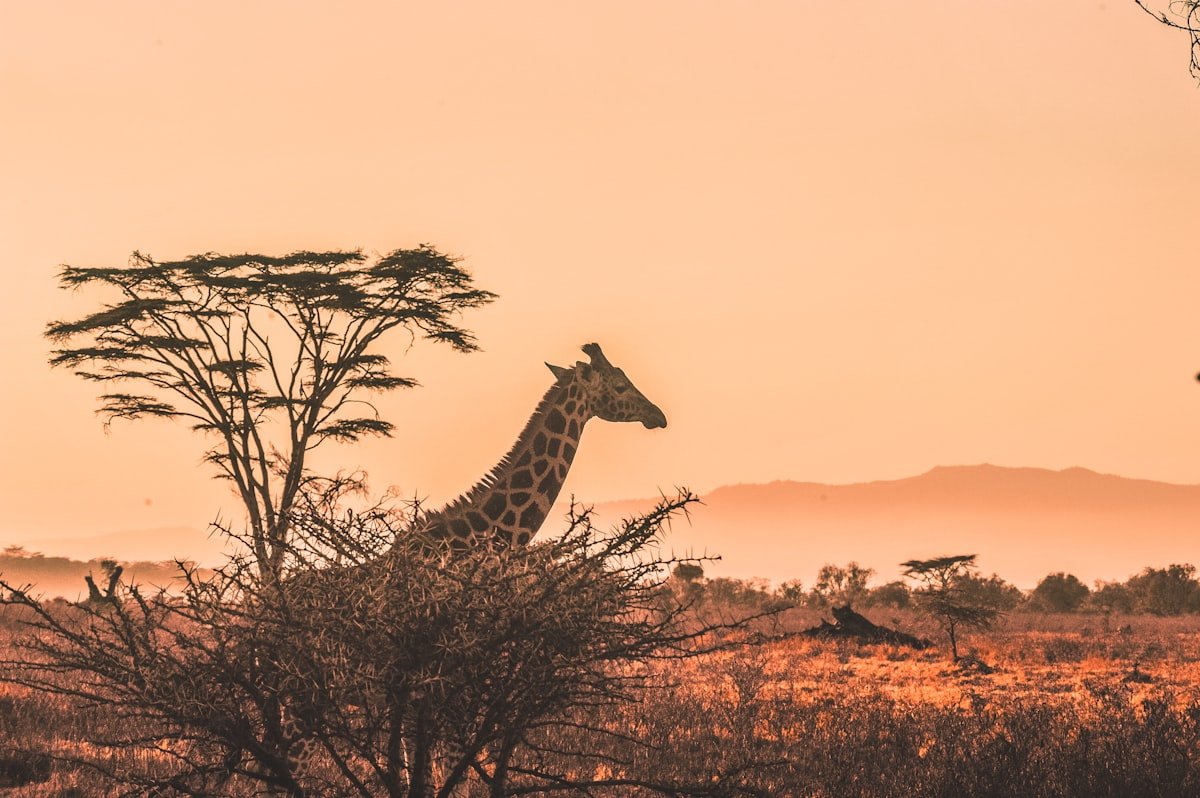
Laikipia is Kenya’s conservation success story. This private and community-owned landscape north of Mount Kenya hosts more endangered species per acre than any other region in East Africa. Black and white rhinos, wild dogs, Grevy’s zebra, and reticulated giraffes all thrive here thanks to a patchwork of ranches and conservancies that have committed land to wildlife.

Standout properties include:

  • Ol Pejeta Conservancy — Home to the last two northern white rhinos on Earth, plus a chimpanzee sanctuary and extensive black rhino population. Tourism fees fund all conservation operations.
  • Lewa Wildlife Conservancy — A UNESCO World Heritage Site and model for community conservation. Lewa supports over 30 community development projects.
  • Borana Conservancy — Connected to Lewa by a wildlife corridor, with excellent guided walking safaris.

Samburu National Reserve

Samburu offers a different landscape and culture from the Mara — arid, dramatic, and home to species found nowhere else in Kenya’s southern parks. The “Samburu Special Five” (Grevy’s zebra, reticulated giraffe, Somali ostrich, gerenuk, and beisa oryx) are unique draws. The Samburu and Ewaso Lions Project conducts vital predator research here.

Tsavo East and West

Kenya’s largest protected area, Tsavo is wild, rugged, and far less visited than the Mara. The famous “red elephants” (coated in the region’s red laterite soil) are iconic. Tsavo is critical for elephant conservation and is managed by the Kenya Wildlife Service with support from organizations like the Sheldrick Wildlife Trust, which rehabilitates orphaned elephants here.

Kenya’s Coast: Marine Conservation

Kenya’s Indian Ocean coastline harbors coral reefs, whale sharks, and sea turtle nesting sites. Watamu Marine National Park and Kisite-Mpunguti Marine Park offer snorkeling and diving experiences that support marine conservation. Local organizations like Watamu Marine Association run reef monitoring and turtle conservation programs.

Understanding Community Conservancies

Kenya’s community conservancy model is central to its conservation success. Here’s how it works:

  1. Local communities (typically indigenous pastoralists) designate a portion of their communal land as a conservancy
  2. Tourism operators lease the land, paying fees directly to the community
  3. The conservancy employs community members as rangers, guides, hospitality staff, and managers
  4. Wildlife corridors are protected, connecting national parks and allowing animal migration
  5. The community governs the conservancy through elected boards

The Northern Rangelands Trust (NRT) supports over 40 community conservancies across northern Kenya, collectively protecting more than 44,000 km² — an area larger than Switzerland. When you stay at a conservancy lodge, your fees directly fund this model.

Ethical Safari Practices

Choosing the Right Operator

Not all safari operators are created equal. Look for:

  • Community partnerships — Does the operator pay fair lease fees and employ local staff in meaningful (not just entry-level) positions?
  • Conservation contributions — Does a portion of your fee fund anti-poaching, research, or habitat restoration?
  • Environmental practices — Solar power, water recycling, waste management, locally sourced food.
  • Low-impact design — Small camps (6-12 tents), seasonal/mobile camps that don’t permanently alter landscapes, and strict vehicle limits.
  • Certifications — Ecotourism Kenya Silver or Gold certification indicates verified environmental and social standards.

Vehicle Etiquette

  • Maintain minimum distances from animals (at least 25 meters for most species, further for predators at kills)
  • Never chase animals or pressure them to perform for photographs
  • Limit time at sightings — if 5+ vehicles are present, move on
  • Stay on designated tracks to prevent habitat damage
  • Turn off engines when stationary to reduce noise and emissions

Walking Safaris

Walking safaris are the lowest-impact way to experience the bush. Available in conservancies like Laikipia, Samburu, and parts of the Mara ecosystem, guided walks put you at eye level with the landscape. You’ll notice insects, tracks, plants, and ecological connections that vehicle safaris miss entirely.

Photography Ethics

  • Never use flash around wildlife
  • Don’t share precise locations of endangered species (especially rhinos) on social media
  • Ask permission before photographing local people
  • Resist the urge to pressure your guide to get closer for a better shot

Conservation Challenges Kenya Faces

Human-Wildlife Conflict

As Kenya’s human population grows, competition for land between people and wildlife intensifies. Elephants raid crops. Lions kill livestock. Conflict can lead to retaliatory killings unless communities receive direct benefits from wildlife’s presence — which is exactly why the conservancy model matters so much.

Poaching

Kenya has made dramatic progress against poaching. Elephant poaching dropped over 90% between 2013 and 2023 thanks to increased ranger patrols, stiffer penalties, and reduced demand for ivory. Rhino poaching remains a threat but is managed through intensive monitoring programs. Tourism revenue funds ranger salaries and anti-poaching technology.

Climate Change

Increasingly severe droughts threaten Kenya’s wildlife and the pastoralist communities who coexist with it. The 2022-2023 drought killed thousands of elephants, zebras, and wildebeest across the country. Conservation organizations are responding with water infrastructure, drought-resilient livelihood programs, and landscape-level planning.

Overtourism in Popular Areas

The Maasai Mara main reserve can become crowded during migration season. Choosing conservancies over the main reserve, visiting in shoulder seasons, and selecting lesser-known destinations like Laikipia and Samburu all help distribute tourism pressure.

When to Visit Kenya

  • July-October — Great Migration river crossings in the Mara. Peak season with highest prices and most visitors.
  • January-February — Excellent dry-season wildlife viewing across the country. Calving season in the Serengeti (visible from border areas).
  • June and November — Shoulder seasons with good wildlife, fewer crowds, and lower prices. Excellent value.
  • March-May (long rains) — Some lodges close, but birding is exceptional, landscapes are lush, and the few open camps offer incredible value.

Getting to Kenya Sustainably

Most international visitors fly into Jomo Kenyatta International Airport (Nairobi). Direct flights are available from major hubs. To reduce your impact:

Where to Stay: Recommended Eco-Lodges

  • Basecamp Masai Mara — A pioneer of eco-lodging in Kenya. Solar-powered, community-owned, zero-waste committed. Located in the Mara Triangle.
  • Campi ya Kanzi (Chyulu Hills) — Maasai-owned lodge and conservation success story. Tourism funds the Maasai Wilderness Conservation Trust, protecting 300,000 acres.
  • Segera Retreat (Laikipia) — Art-filled luxury lodge combining conservation, community, and culture. A member of Long Run destinations committed to the 4Cs: Conservation, Community, Culture, and Commerce.
  • Saruni Samburu — Perched on a hilltop overlooking the Kalama Community Conservancy. Tourism fees support community healthcare and education.
  • Lewa Safari Camp — Directly funds Lewa Wildlife Conservancy’s conservation operations.

For more accommodation ideas, see our guides to the best eco-lodges and how to choose an eco-friendly hotel.

What to Pack for a Kenya Safari

Pack light and sustainably:

See our full sustainable travel packing list for more.

Budget Considerations

Kenya safaris range from budget ($150-250/day for group vehicle safaris) to ultra-luxury ($1,000+/day for exclusive conservancy experiences). Mid-range conservancy stays ($400-700/day) often represent the best balance of wildlife quality, conservation impact, and community benefit.

For tips on managing costs without compromising ethics, see our sustainable travel budget tips.

Final Thoughts

A Kenya safari done right is more than a wildlife spectacle — it’s a direct investment in one of the world’s most important conservation landscapes. Every night you spend in a community conservancy funds ranger patrols, community schools, and wildlife corridors. Every ethical operator you choose reinforces the economic case for protecting wild spaces.

Kenya shows that tourism and conservation aren’t just compatible — they’re mutually dependent. The communities and wildlife here need thoughtful visitors who choose carefully, spend wisely, and carry home not just photographs but a genuine understanding of what it takes to protect wild Africa.

For more eco-destination inspiration, explore our guides to Costa Rica, Colombia, and our list of the best eco-friendly destinations.

Similar Posts

Leave a Reply

Your email address will not be published. Required fields are marked *